Gangbuk K-Pop Itinerary Day 1: SM's KWANGYA@SEOUL & Seoul Forest in Seongsu-Dong
SM Entertainment's KWANGYA@SEOUL flagship store, Seoul Forest, and the Seongsu-dong cafe streets that keep showing up in aespa content -- a full Gangbuk day-trip guide.
The Gangbuk half of this series opens in Seongsu-dong. It’s built around KWANGYA@SEOUL, SM Entertainment’s flagship store built around its “KWANGYA” fictional universe, plus Seoul Forest and the Seongsu-dong cafe streets that keep turning up in aespa content.
Why this route
COEX’s SMTOWN Artium used to be the go-to destination for SM-related content, but that space closed back in 2020. The place to actually experience SM’s worldview and merchandise now is Seongsu-dong’s KWANGYA@SEOUL, which opened in November 2022 in the basement of Acro Seoul Forest D Tower. Seongsu-dong itself used to be Seoul’s shoe-manufacturing district before it turned into a neighborhood of converted-warehouse cafes and boutiques, which is also why it shows up so often in aespa’s pictorials and behind-the-scenes content — we covered that cafe strip in more detail in our earlier Seongsu-dong guide.
Full itinerary
- Seongsu Station — walk through Seoul Forest
- KWANGYA@SEOUL (Acro Seoul Forest D Tower, B1)
- Seongsu-dong cafe crawl
- Dinner in Seongsu-dong
Getting there
Seoul Forest, KWANGYA@SEOUL, and the Seongsu-dong cafe streets are all walkable from Seongsu Station (Line 2). It’s about a 10-minute walk from Seoul Forest to KWANGYA@SEOUL, and a similar distance from there to the cafe strip, so you can cover this entire itinerary on foot without touching the subway again once you arrive.
Admission fees & hours
- Seoul Forest: A free public park with walking trails, an open lawn, an insect/botanical garden, and more. The mood shifts a lot by season, so it’s worth visiting whatever time of year you’re in Seoul.
- KWANGYA@SEOUL: Part concept store, part ticketed exhibition space, so exact entry format and pricing can shift depending on whatever seasonal exhibit is running. Check SM’s official channels or a booking platform for current hours and whether reservations are required before you go.
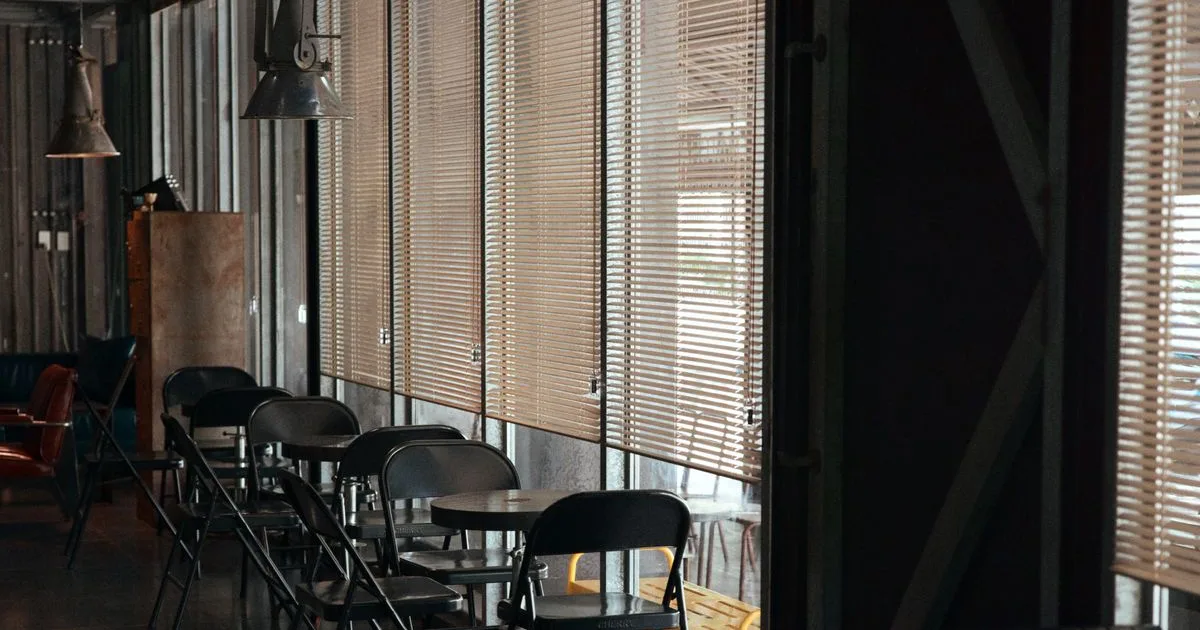
- Seongsu-dong cafe streets: No admission — just individual cafe visits. Many occupy converted factory and warehouse buildings, which makes the spaces themselves part of the draw.
Food, cafes & snacks
Seongsu-dong is often called Seoul’s cafe battleground for a reason. You’ll find everything from large converted-warehouse cafes to tiny specialty roasters tucked into side streets. Lunch or dinner works well at one of the neighborhood’s design-forward restaurants or brunch spots, and pastry-focused bakery cafes scattered through the alleys are a good stop for croissants or scones. Seoul Forest itself has a few small stands and cafes if you want a break mid-walk. Brand pop-up cafes also show up here fairly often, so you might stumble onto something seasonal depending on timing.
Tips
- Saving money: Seoul Forest is free, so there’s nothing to save on there. If KWANGYA@SEOUL has a ticketed exhibit running when you visit, check the booking platform for new-user discounts or promo codes first.
- Skipping the wait: Seongsu-dong’s most popular cafes can have real lines on weekend afternoons. A weekday morning visit, or swapping a busy spot for a quieter one a block over, both work well.
- Route tip: Walk Seoul Forest first, then move to cafes — that order lets the walk build your appetite before you settle in. Doing it in reverse tends to mean you linger too long at a cafe and skip the park.
- Photo tip: Both KWANGYA@SEOUL and Seongsu-dong’s cafes tend to have well-designed photo spots, so it’s worth splitting your time between portrait shots and space/architecture shots. Seoul Forest is best in natural light, so early morning or late afternoon works best there.
Seongsu-dong is the clearest destination in this whole series for SM and aespa fans specifically. In a single day you get nature (Seoul Forest), a concept space (KWANGYA@SEOUL), and a genuinely trendy neighborhood (the cafe streets) — three very different moods in one part of town. Next up in the Gangbuk series: Yongsan and Itaewon, and what’s actually left to see there now that HYBE INSIGHT has closed.